Gluten
Time Planning
You’ll need a bowl, some surface, and be prepared to clean a lot of white stains all around the place (easy to clean).Ingredients
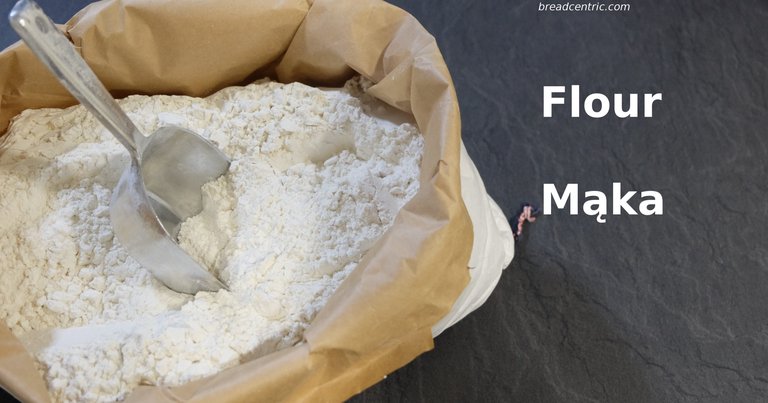
- 200 g strong white wheat flour
- 140 g water
- A lot more water afterwards
Instructions
Mix flour with water and knead until you have a well formed dough
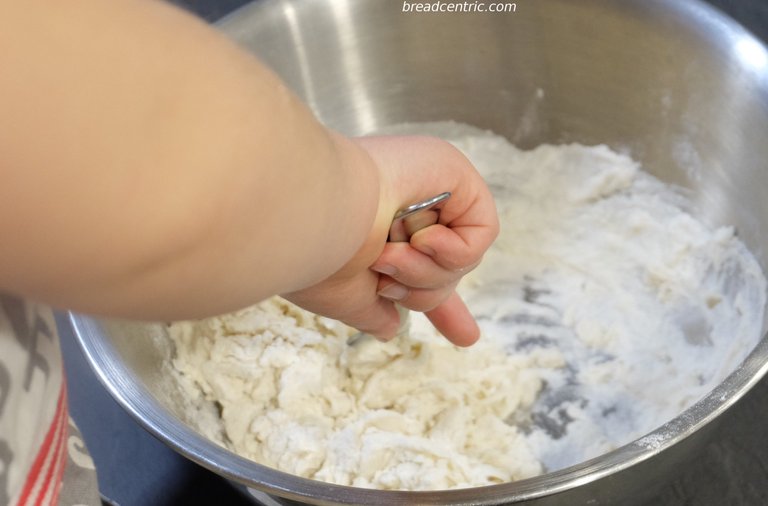
Mixing the dough 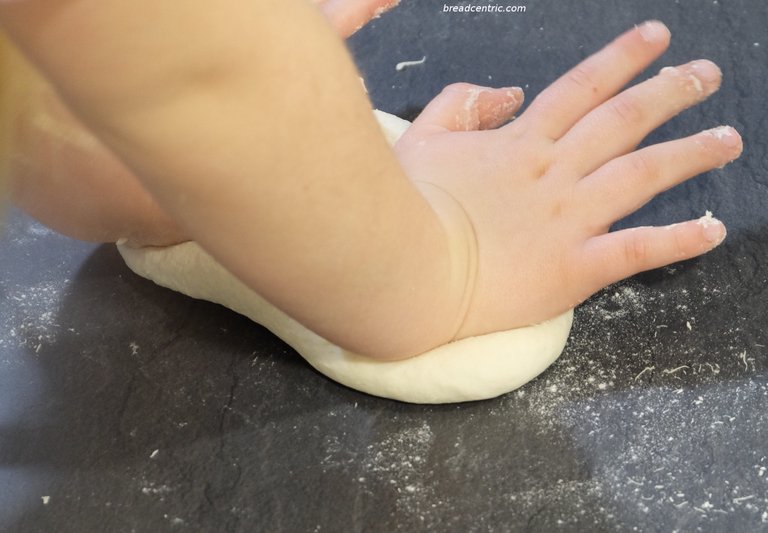
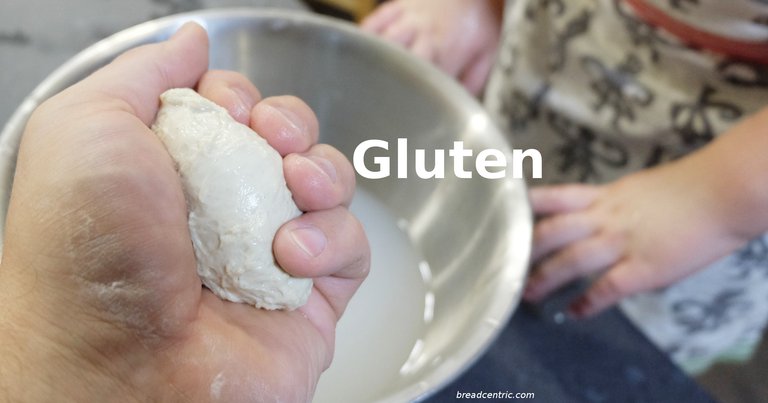
Kneading the dough Put water into a bowl and start washing the dough. Change the water when it get’s completely white
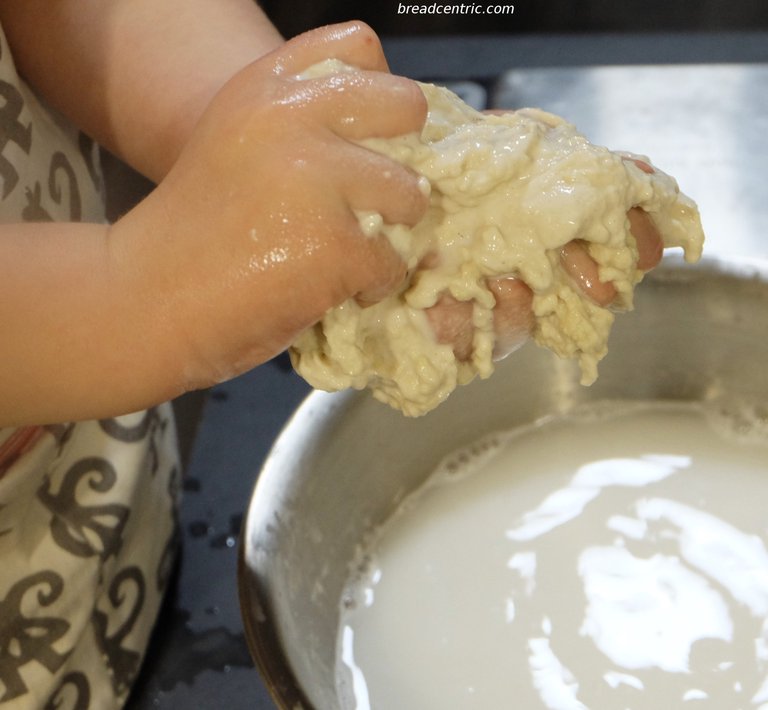
The dough may fall apart when doing that, but eventually you will get a single lump which doesn’t dye the water any longer.
Explanation
[youtube https://www.youtube.com/watch?v=_Bu8-xpot1o ]
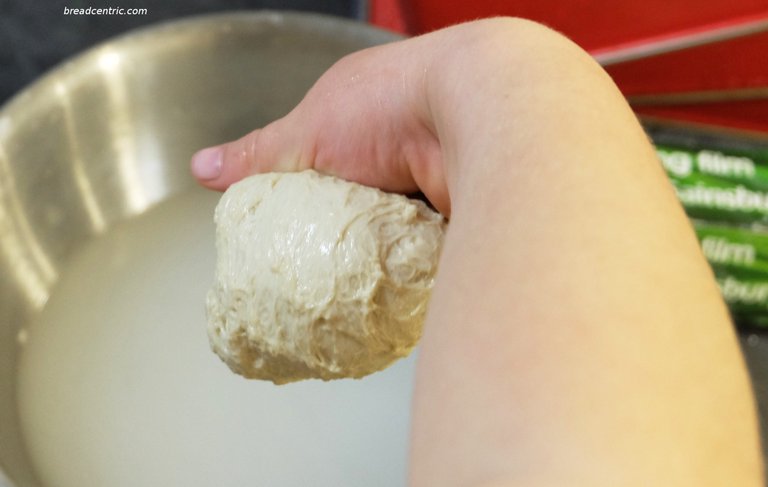
What you’re left with is gluten. It is a mixture of two proteins, gliadin and glutenin, which bind with water and form this elastic structure. Note that out of 340 g of dough you’re left with 80 g of mostly gluten.
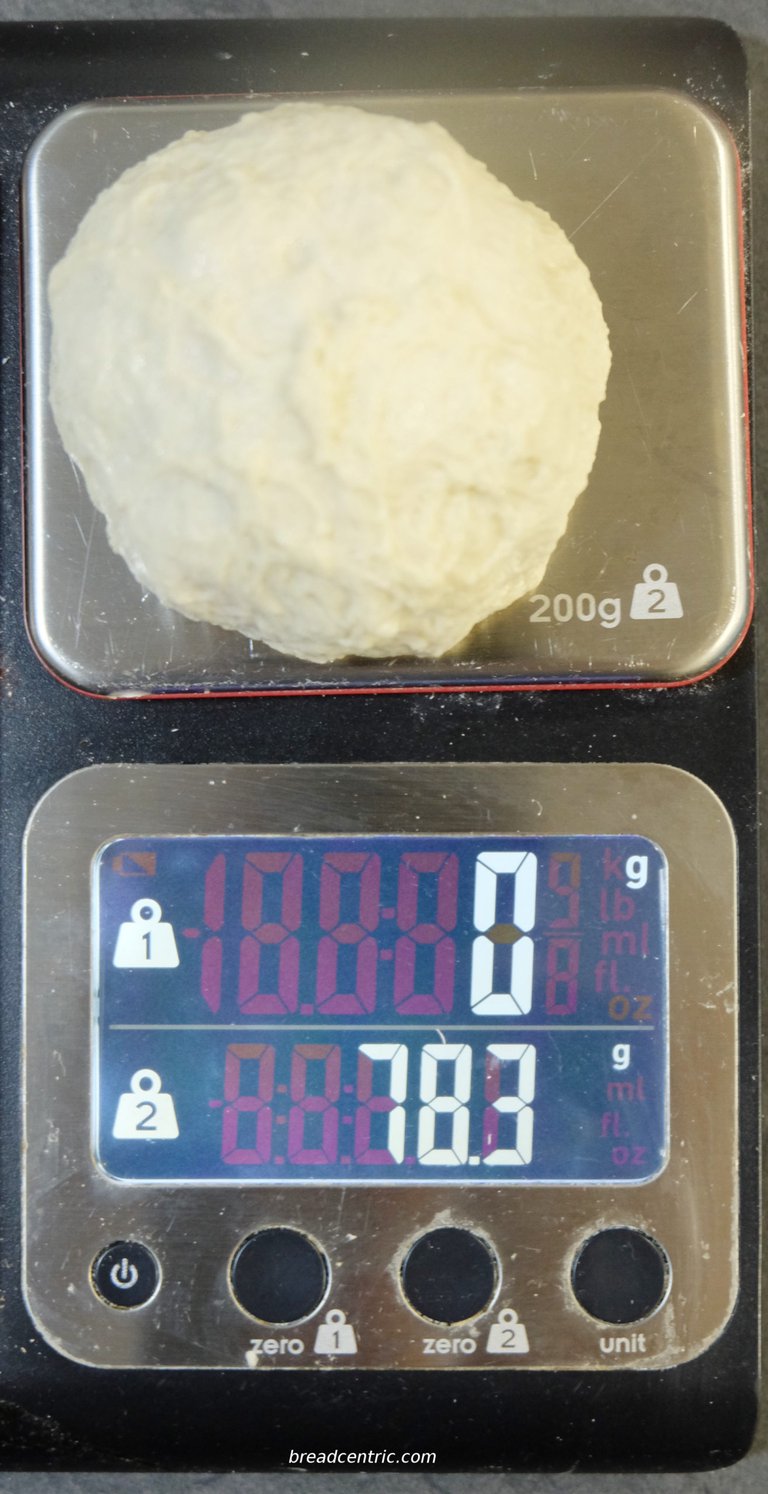
Note that it’s quite sticky, yet it doesn’t stay on your hands. By this time it’s quite well stretched and exercised, so it won’t detach from the whole ball. This is pretty much similar to what you get with a well kneaded dough.
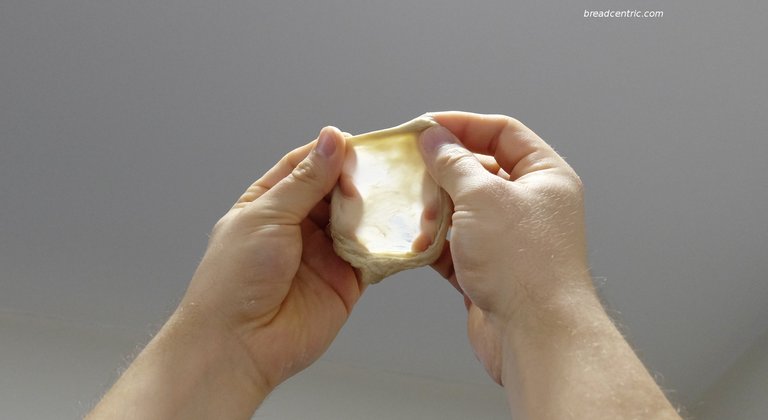
It is elastic to a point you can try and inflate it. Or make a window pane. It can get perfectly smooth and shiny.
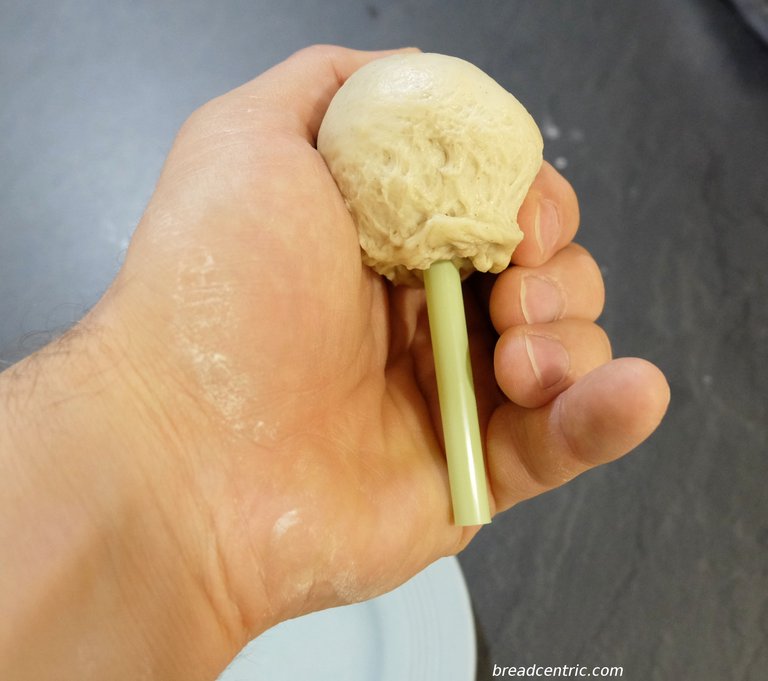 Preparing the gluten for inflating
[youtube https://www.youtube.com/watch?v=tUvyVcEYbhg ]
Since I have some gluten in powder, I decided to compare the two. The moment it bound with water It looked very loose, but I had to leave it for 2-3 hours and when I came back, they looked almost the same. A simple stretching made them look identical. They also easily stuck to each other.
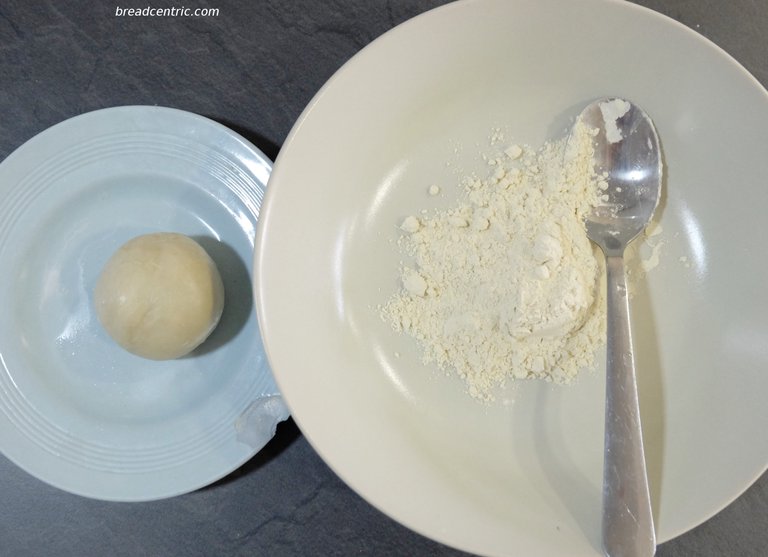
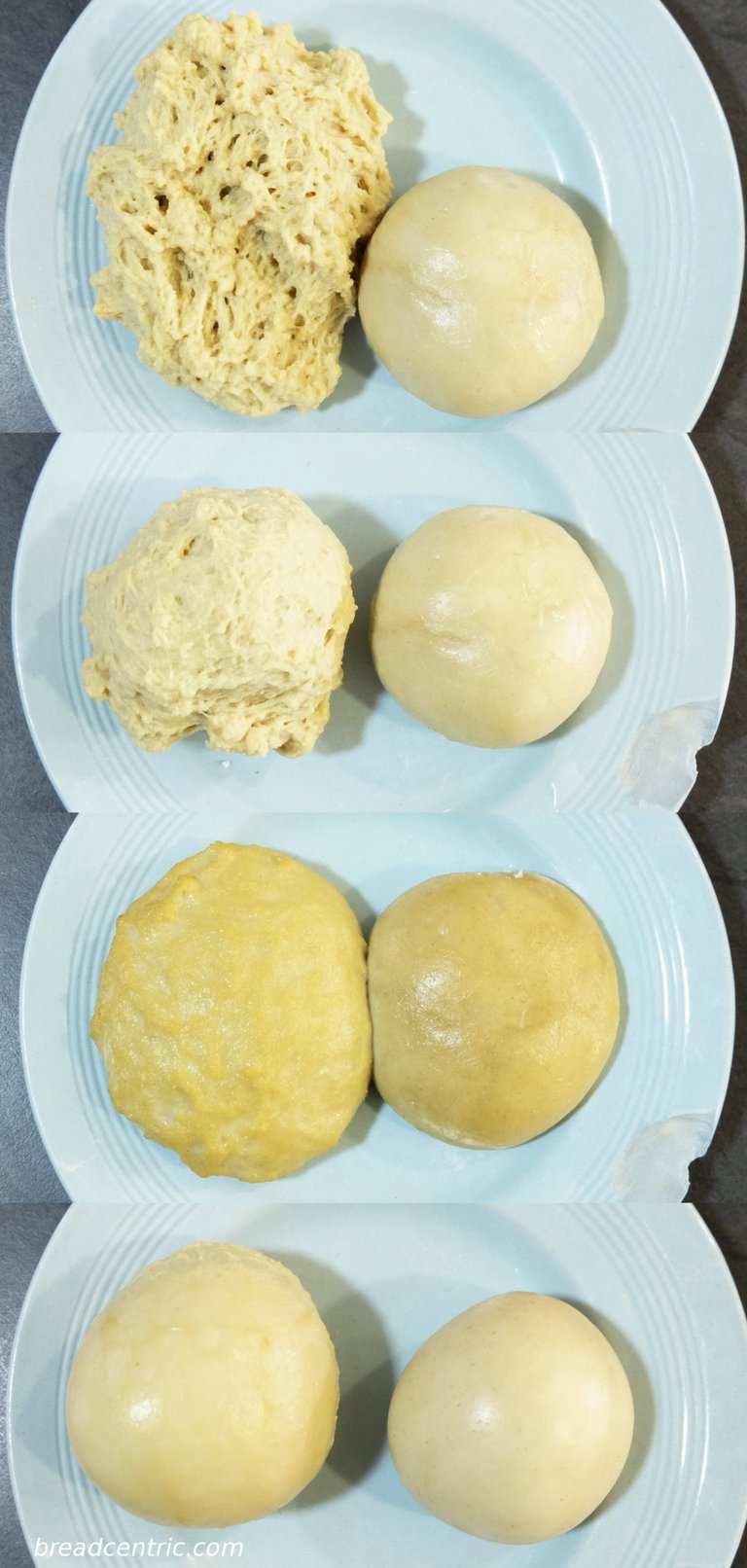
Gluten from powder (left) vs gluten from the dough (right): after the initial mixing, after some kneading, after resting for three hours, and finally after final stretch
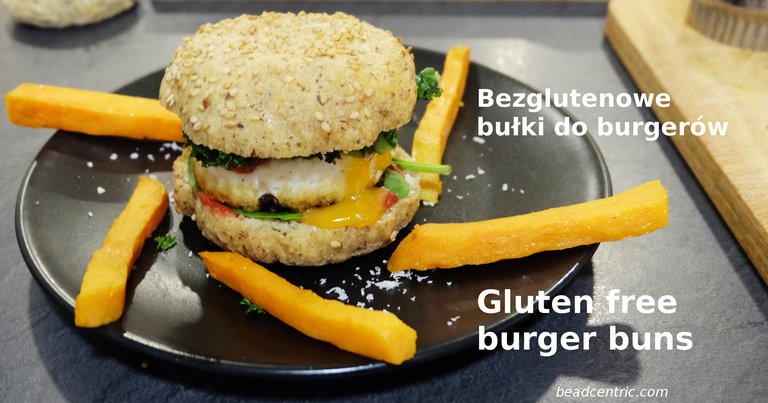
This is the source of problem with gluten free products – the moment you remove gluten out of the equation, you’re left with starchy things.
It’s quite clear that gluten is not the favourite vegetable based protein in the world at the moment. Of course there is celiac disease, there’s people with Irritable Bowel Syndrome who struggle with gluten. And there’s a large group of people stating that gluten is bad for them because they got better after removing it from their diet (and it has nothing to do with stopping eating all the intensely processed crap). As a not-so-fun fact I’ll add that gliadin is the one that usually causes the boo boo.
I obviously don’t get emotional about gluten (or do, in the opposite direction), because I have no issues with it, but I find interesting trying to get going with something gluten free. As far as baking is concerned, it is quite a challenge.